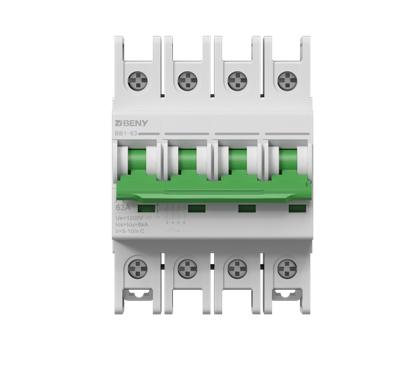
ZJBENY is a trusted manufacturer of protective components for photovoltaic systems across the globe. Through our focus on solar DC protection design, production, and marketing, we can bring brand-building PV protection solutions.
In recent years, ZJBENY has attentively invested resources in research on EV-related products, successively manufacturing other types of products, thus reaping wide market popularity across the world.
-
![Куад - у Мицроинвертеру БИМ1000]() Куад - у Мицроинвертеру БИМ1000Помоћу називне излазне снаге од 1000В, Бени БИММ1000 Мицроинвертер повезује се на 4 панела и омогућава модул - одржавање и управљање надгледањем стварања електричне енергије сваког модула. Модул - Ниво подаци могу се преносити на...Pogledajte više
Куад - у Мицроинвертеру БИМ1000Помоћу називне излазне снаге од 1000В, Бени БИММ1000 Мицроинвертер повезује се на 4 панела и омогућава модул - одржавање и управљање надгледањем стварања електричне енергије сваког модула. Модул - Ниво подаци могу се преносити на...Pogledajte više -
![Куад-Ин микроинвертер БИМ2400]() Куад-Ин микроинвертер БИМ2400Са номиналном излазном снагом од 2400В, БЕНИ БИМ2400 микроинвертер се повезује на 4 панела и омогућава одржавање и управљање на нивоу модула праћењем производње енергије сваког модула. Подаци на нивоу модула се могу учитати на платформу...Pogledajte više
Куад-Ин микроинвертер БИМ2400Са номиналном излазном снагом од 2400В, БЕНИ БИМ2400 микроинвертер се повезује на 4 панела и омогућава одржавање и управљање на нивоу модула праћењем производње енергије сваког модула. Подаци на нивоу модула се могу учитати на платформу...Pogledajte više -
![Сингле - у Мицроинвертеру БИМ600]() Сингле - у Мицроинвертеру БИМ600Бени БИМ500 / БИМ550 / БИМ600 МИЦРОИНВЕРТЕР Повежите се на 1 панел и омогућите модул - ниво одржавања и управљања ПВ станице праћењем производње електричне енергије сваког модула.Pogledajte više
Сингле - у Мицроинвертеру БИМ600Бени БИМ500 / БИМ550 / БИМ600 МИЦРОИНВЕРТЕР Повежите се на 1 панел и омогућите модул - ниво одржавања и управљања ПВ станице праћењем производње електричне енергије сваког модула.Pogledajte više -
![Двоструко - у микроинтвертеру 800]() Двоструко - у микроинтвертеру 800БЕНИ БИМ800 Мицроинвертер Повежите се на 1 или 2 панел и омогућите модул - ниво одржавања и управљања ПВ станицом праћењем производње електричне енергије сваког модула.Pogledajte više
Двоструко - у микроинтвертеру 800БЕНИ БИМ800 Мицроинвертер Повежите се на 1 или 2 панел и омогућите модул - ниво одржавања и управљања ПВ станицом праћењем производње електричне енергије сваког модула.Pogledajte više -
![Микроинвертер са једним улазом БИМ550]() Микроинвертер са једним улазом БИМ550БЕНИ БИМ500/БИМ550/БИМ600 микроинвертер се повезује на 1 панел и омогућава одржавање и управљање на нивоу модула ПВ станицом праћењем производње енергије сваког модула.Pogledajte više
Микроинвертер са једним улазом БИМ550БЕНИ БИМ500/БИМ550/БИМ600 микроинвертер се повезује на 1 панел и омогућава одржавање и управљање на нивоу модула ПВ станицом праћењем производње енергије сваког модула.Pogledajte više -
![Куад-Ин микроинвертер]() Куад-Ин микроинвертерСа максималном излазном снагом од 2680 В, БЕНИ БИМ2400 микроинвертер се повезује на 4 панела и омогућава одржавање и управљање на нивоу модула ПВ станицом праћењем производње енергије сваког модула. Подаци на нивоу модула могу се...Pogledajte više
Куад-Ин микроинвертерСа максималном излазном снагом од 2680 В, БЕНИ БИМ2400 микроинвертер се повезује на 4 панела и омогућава одржавање и управљање на нивоу модула ПВ станицом праћењем производње енергије сваког модула. Подаци на нивоу модула могу се...Pogledajte više -
![Микроинвертер са једним улазом]() Микроинвертер са једним улазомСа максималном излазном снагом од 670 В, БЕНИ БИМ500/БИМ670 микроинвертер се повезује на 1 панел и омогућава одржавање и управљање ПВ станицом на нивоу модула праћењем производње енергије сваког модула. Подаци на нивоу модула могу се...Pogledajte više
Микроинвертер са једним улазомСа максималном излазном снагом од 670 В, БЕНИ БИМ500/БИМ670 микроинвертер се повезује на 1 панел и омогућава одржавање и управљање ПВ станицом на нивоу модула праћењем производње енергије сваког модула. Подаци на нивоу модула могу се...Pogledajte više


Our experience of working in the electrical industry for more than 30 years allows us to create solar DC components that comply with the latest DC standards. With the inheritance of 30+ years of experience in the research and production of DC protection products, we are continuously dedicated to the EV charging field.
ZJBENY has attentively invested resources in research on EV-related products, successively manufacturing other types of products, thus reaping wide market popularity across the world.
We independently complete the R&D, production, marketing, sales, and technical support processes. We satisfy your needs with our long warranty, technical support, and other value-added services.
A micro-inverter is device that connects to a single solar panel, converting DC (direct current) from the panel into AC (alternating current), which can power household appliances or be sent into the grid for energy credits. Unlike string inverters, micro-inverters control the output of a single panel.
With micro-inverters, each panel is isolated from the rest of the array. One shaded panel may drop to 300W, but the rest of the panels remain unaffected and continue to produce at its 350W capacity.
The net result is that micro-inverters allow you to produce more power out of the same panels. In areas where trees or other obstructions will cast shade on your panels, micro-inverters are well worth the investment.
Let's say a panel malfunctions due to faulty wiring and stops producing power. With micro-inverters, that panel is isolated, so the rest of the array keeps producing power. The other panels will continue to work, so you are not stuck without a working system while you file a warranty claim and get it replaced.
Micro-inverters use standard AC wiring, similar to what is used throughout your house. They are also plug-and-play, with each unit plugging into the next.
As a result, micro-inverters are extremely easy to install and connect because they use standard AC wiring and it only takes a few seconds to plug in each unit.
Due to their 1-to-1 nature, systems with micro-inverters can essentially be as small or as large as you want them. If you want, you can start with a single panel+micro-inverter pairing. Adding more panels later isn't a problem, because none of the existing equipment needs to be moved or re-wired to facilitate the addition.
Microinverters are relatively expensive. They need to be affixed to the back of every single solar panel. They typically cost $1,000 or more than a string inverter on a standard 5kW residential solar installation.
Panel-Level Performance Monitoring May Not be Available Without an Upgrade
The most significant difference between string and microinverters is that when using a string inverter to wire your panels, depending on the size of your solar system, you only need to use one or two string inverters (usually referred to as "strings"). This makes troubleshooting more manageable if your system fails, as all 6-12 panels of the inverter supports are wired to just one destination. Given the minimal wiring requirements, string inverters are also cheaper to install and maintain than microinverters. That being said, the simplified wiring scheme can also make it more expensive to expand your solar system in the future. It also means that underperforming solar panels will affect the whole circuit rather than just its own output.


Unlike micro and string inverters, power optimizers don't immediately convert direct currents to alternate currents. Instead, they "condition" it and send it to a centralized inverter. These module-level power electronics, or MLPEs, are very similar to microinverters because they can monitor individual solar panel performance and allow for flexibility in building a solar system on a marginally shaded roof.
These use an inverter and are the most expensive type of Microinverter. These inverters work by changing one or two different currents from the battery to DC current, which is the standard for solar inverters. The drawback to these is that they take longer to charge and discharging them will lead to power drop-outs. However, they can be more effective if you are planning on storing enough energy to run all your appliances at night.
The main drawback to these is that they do not allow for any storage capacity and work best with direct current power. They are best suited to small solar panel systems. They have the fastest charge times available and can be the most cost effective. Unfortunately, they can not be used with grid-tie applications.
Full-Phase Microinverters
These are designed to be installed on a small roof or mount down over a fascia or skylight. They attach quickly and easily to the roof and are capable of being run in either bi or tri-axle configurations. Binskered and silky shading microinverters are sometimes referred to as solar blankets and work best in sunny climates where direct sunlight is accessible. They work best in conjunction with a photovoltaic roofing system.
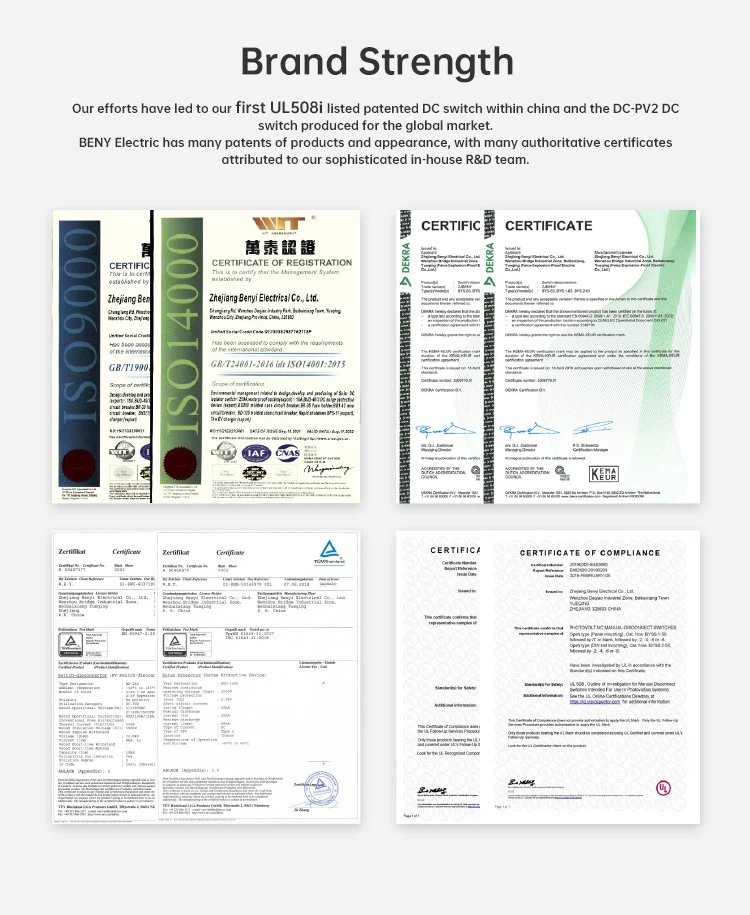
We have the UL1741 mark, certification issued by Underwriters Laboratories, the most important for system interconnection tests in the USA. ZJBENY also holds SAA, CB, CE, TUV, ISO, RoHS certifications.
If you have any enquiry about quotation or cooperation, please feel free to email us at benyi@zjbeny.com, or use the following enquiry form. Our sales representative will contact you within 24 hours. Thank you for your interest in our products.
TEL: +86-577-57177008
FAX: +86-577-57177007
Address: Changjiang Rd, Wenzhou Daqiao Industry Park, Yueqing, Wenzhou, Zhejiang, China, 325603
Q: Do micro-inverters have to be grid tied?
Q: Can you mix micro-inverters?